Dense Growth Cleared With a Plan in Place First
Brush clearing in Lubbock for rural acreage and fence lines where access and equipment requirements vary by site
A brush clearing job on rural acreage around Lubbock County rarely unfolds the same way twice. Fence lines that have gone unattended collect dense growth that roots into the wire, and the edges of rural properties frequently present access obstacles—soft ground, irrigation infrastructure, or gate widths—that determine what equipment can realistically reach the work area. TX & NM Tree Service begins every brush clearing engagement with a site assessment before any equipment is staged or crew hours are committed, which means the job is planned around actual conditions rather than estimated ones.
During the assessment, the crew identifies safety hazards such as buried wire or hidden debris within the brush, confirms access paths for the equipment needed, and establishes exactly what needs to be removed versus what can stay. That front-end work prevents the job from stalling mid-project when an unforeseen obstacle—a fence corner buried under growth or a soft access path that won't support equipment—forces an unplanned change of approach. Toby, who has seventeen years of tree cutting experience, works every clearing job with a two-person crew, and that experience is particularly relevant when the brush includes established woody stems that require cutting equipment rather than brush mowers alone.
Arrange a site assessment to identify access conditions, equipment requirements, and exactly what the clearing scope will cover.
What Brush Clearing Actually Involves on Rural and Fence-Line Sites
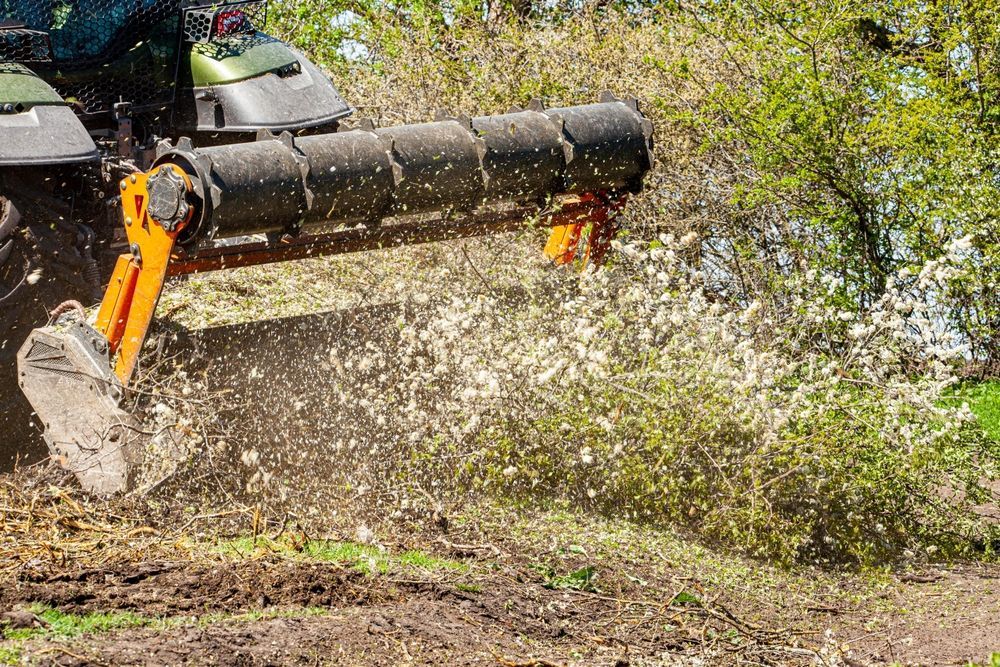
Brush clearing is not a single operation—it is a sequenced process that moves from assessment to access planning to cutting, and the specifics of each phase depend on what the site presents. Established woody shrubs and volunteer trees that have grown into fence lines require cutting at the base and root disruption, not just surface mowing, if regrowth is to be slowed. The two-person crew structure TX & NM Tree Service uses means one crew member can manage equipment or cutting while the other handles material movement and monitors safety, which matters on rural sites where debris can shift unexpectedly when root systems are connected beneath the surface.
After clearing is complete, what changes is immediately visible: fence lines that were obscured become accessible, property boundaries become defined again, and the fire fuel load along the cleared edge is significantly reduced. On acreage properties, cleared fence lines also restore the ability to inspect wire for damage and perform maintenance that was previously blocked by overgrowth.
Whether debris hauling is included in the clearing quote is a specific question worth confirming with TX & NM Tree Service before work begins, since the volume of material on a rural fence line can be substantial and haul-away represents a significant portion of total project effort. Some jobs are scoped with debris pushed to a burn pile location on the property; others include full removal. Confirming this in advance avoids disagreements about what the agreed price covered.
Answers About How Brush Clearing Work Is Done
The following questions address the process and scope of brush clearing specifically, including how the crew approaches access, sequencing, and what conditions affect the work.
What does the site assessment cover before clearing begins?
The crew evaluates safety hazards within the brush—buried wire, old fence posts, and debris that would damage cutting equipment—confirms access paths for the machinery being used, and establishes a clear boundary between growth that needs to come out and vegetation that should remain. On Lubbock County rural properties, access path conditions frequently determine which equipment is practical for a given job.
How is established woody brush cut differently from surface-level vegetation?
Shrubs and volunteer trees with woody stems require cutting at the base with appropriate equipment rather than surface mowing, and where regrowth is a concern, the cut stumps may need a follow-up treatment. Simply mowing over established woody growth leaves root systems intact and produces rapid regrowth that requires repeat clearing sooner.
Why does a two-person crew matter on a brush clearing job?
One crew member manages the cutting equipment while the other moves cleared material, watches for hidden hazards, and maintains the work boundary. On rural sites where brush conceals fence wire, old equipment, or irrigation lines, a second set of eyes actively prevents equipment damage and crew injury.
What should be confirmed before the clearing scope is finalized?
Debris disposition—whether material is hauled away, pushed to a pile, or left for burning—should be clarified in the quote, as should the boundary of what is being cleared. On fence-line jobs, the crew should confirm which side of the fence line is in scope and whether the clearing extends to the fence posts or stops at the wire.
How does overgrown brush affect a fence line structurally over time?
Woody stems that grow into fence wire put lateral pressure on posts and eventually pull staples and clips free, loosening wire tension across long spans. Clearing the growth removes that pressure and allows the fence line to be inspected and re-tensioned where needed.
TX & NM Tree Service can walk your property before any work is scheduled and confirm the equipment, access approach, and scope that fits your site. TX & NM Tree Service also performs brush clearing in Slaton, Wolfforth, Levelland, Idalou, and Clovis. Call (806) 789-4297 to set up a site assessment.