Diagnosis Before Any Product Goes on the Tree
Tree Treatments in Lubbock for stressed, declining, or visibly struggling mature trees
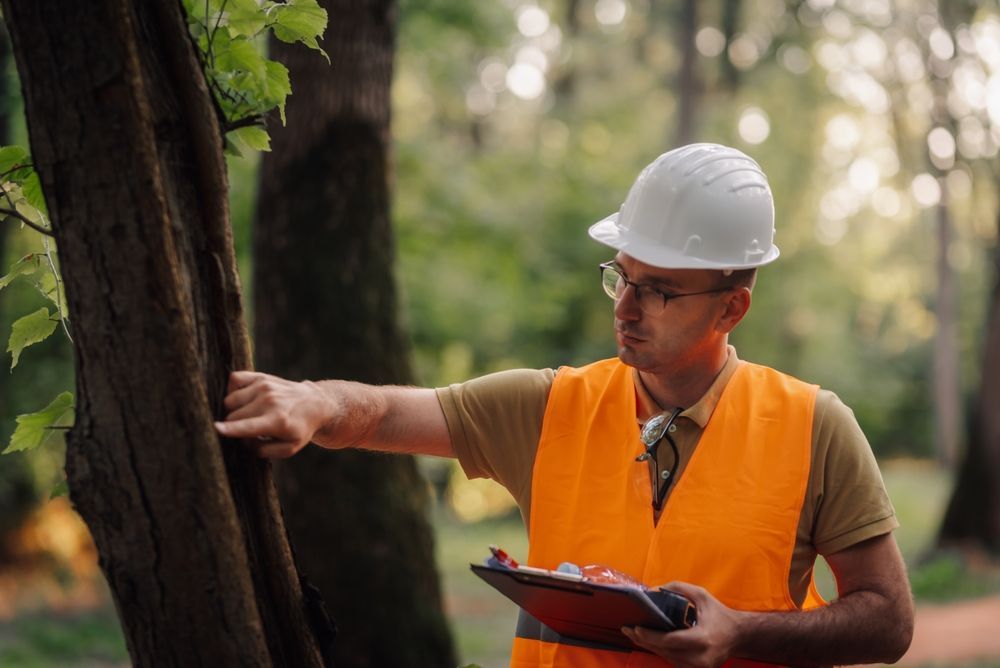
Sparse canopy, discolored foliage, early leaf drop, or bark changes on a mature tree are symptoms rather than diagnoses—what causes those symptoms varies significantly, and applying the wrong treatment does nothing to address the underlying problem. In older Lubbock neighborhoods with established oak and elm trees, stress signs often develop gradually and remain hard to read from the street, which means an on-site diagnosis has to come before any product is selected. TX & NM Tree Service begins every treatment engagement with an arborist inspection at the property, evaluates the tree's specific condition, and then determines what treatment approach fits that diagnosis.
Treatment is applied either as pods placed at the base of the tree or as products applied on the ground around the root zone, depending on what the diagnosis indicates and how the tree's vascular system can best receive the treatment. Nutrient supplements can be added to support growth where deficiency is a contributing factor. The work is fully insured, and Toby—a tree cutter with seventeen years of field experience—works with TX & NM Tree Service on the tree assessment and treatment process.
Arrange an on-site inspection at (806) 789-4297 to have the tree evaluated before committing to a treatment plan.
How the Diagnosis Determines the Treatment
The inspection process covers the tree's canopy density, bark condition, soil around the root flare, and the presence of any pest activity or fungal indicators at the base. Each of those observations points toward a different category of problem—nutrient deficiency looks different from a boring insect infestation, and root stress from compacted soil reads differently than a fungal disease working up through the cambium. The treatment applied as pods at the base delivers product directly into the soil column where feeder roots are most active, which is the preferred method when the issue involves systemic uptake. Ground-applied products work on the soil layer itself when the root zone environment is the primary factor driving decline.
In areas like Chicago Avenue and 34th Street, where mature trees have grown on lots that have been developed and landscaped around them for decades, compaction around the root zone from foot traffic and hardscape is a measurable contributor to tree stress—one that is not visible from the canopy alone but that changes what the treatment needs to address. After treatment is applied, visible improvement in canopy density and foliage color typically develops over one to two growing cycles rather than immediately, because the vascular system moves product at its own pace.
Tree treatment through TX & NM Tree Service is typically structured as a one-time service based on the diagnosis rather than an ongoing maintenance contract. Ask the arborist at the time of inspection what the diagnosis recommends and whether a single treatment addresses the identified problem or whether the tree's condition warrants a follow-up evaluation after the first growing season.
Questions About How Tree Treatment Works
The following questions address the inspection and treatment process for mature trees and what property owners should understand about how treatment decisions are made.
What does the arborist look for during the on-site inspection?
The inspection covers canopy density, foliage color and pattern, bark integrity, root flare condition, and signs of pest or fungal activity—because each of those observations points toward a different cause, and the cause determines which treatment method is appropriate.
How does pod-based treatment differ from ground-applied product?
Pods placed at the base of the tree deliver treatment into the soil column at root depth, which supports direct uptake through the root system, while ground-applied products work within the top layer of the root zone and are better suited when the soil environment itself is the primary factor being addressed.
Why is on-site diagnosis necessary before selecting a treatment product?
The visible symptoms on a mature tree—leaf discoloration, sparse canopy, early drop—can result from multiple different causes that require different treatments, and selecting a product without confirming the cause means the treatment may be completely unrelated to what is actually affecting the tree.
What should you watch for in the tree after treatment is applied?
Monitor canopy density and foliage color over the following growing season, since those are the most readable indicators of whether the tree's vascular system responded to the treatment—improvement is gradual and measured in growing cycles, not weeks.
How does the age and species of a mature Lubbock tree affect what treatment is selected?
Established oaks and elms have deep, wide root systems that respond differently to treatment timing and product placement than younger or smaller trees, so the arborist adjusts application method and product selection based on species-specific uptake patterns.
TX & NM Tree Service can discuss what you are observing on the tree before scheduling, which helps clarify whether an inspection is the right first step or whether a different service fits the situation better. TX & NM Tree Service also provides tree treatments in Slaton, Wolfforth, Levelland, Idalou, and Clovis. Call (806) 789-4297 to describe the tree's condition and schedule an inspection.