Fence Lines and Acreage Cleared Methodically
Brush Removal in Lubbock for dense overgrowth on rural acreage, fence lines, and property edges
Dense brush along a fence line or property edge does not simply grow back to a manageable state on its own—without removal, the root systems deepen, the canopy closes, and equipment access becomes progressively harder to establish. TX & NM Tree Service removes brush from rural acreage and fence lines in Lubbock, working through sites where overgrowth has accumulated along property boundaries and where the approach has to be planned before the first cut is made. Properties along Slaton Highway and Woodrow Road are representative of the acreage mix in this area: relatively flat ground with long fence lines where brush has grown in undisturbed for years and equipment staging requires advance coordination.
Every job starts with a site assessment that covers safety, access, and the equipment suited to that specific property. The owner walks the site to identify obstacles, evaluate how far equipment can reach, and determine how the brush will be cut and cleared from the area. That step determines the sequence of work rather than defaulting to a single clearing method regardless of site conditions. Toby, a tree cutter with seventeen years of experience, works with TX & NM Tree Service on this work, and all jobs are fully insured.
Send photos of the area you need cleared to (806) 789-4297 for a free bid based on the site conditions visible in the images.
Why Site Assessment Drives the Clearing Approach
Brush removal on rural acreage is not a uniform process—the species of brush present, the density of root systems at the base, the proximity to fencing or irrigation lines, and the width of the entry point for equipment all change what the crew can accomplish in a single pass and what has to be staged differently. The site assessment identifies these factors before the work starts, which prevents the common problem of equipment getting committed to a section of the property before access constraints become apparent. TX & NM Tree Service works to standard tree-cutting practice rather than clearing without a plan, which means the sequence of cuts and the direction of removal are set before the first limb comes down.
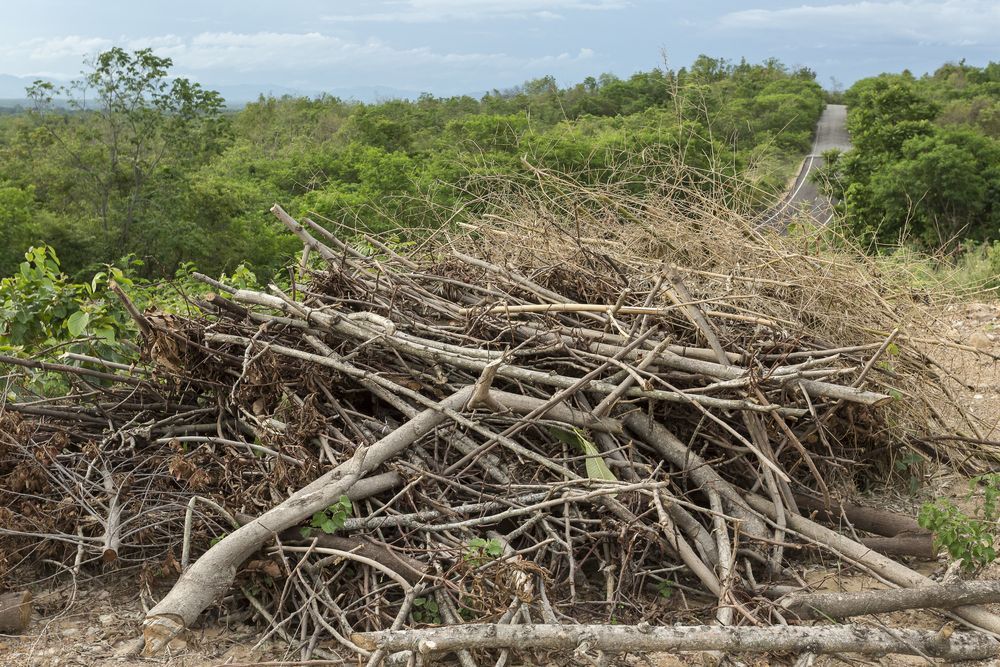
Once the brush is cut and cleared from the area, the fence line or acreage edge becomes accessible in a way it was not before—posts that were buried in growth become visible, the boundary itself can be evaluated for repairs, and the cleared strip no longer provides cover that pushes pest pressure toward adjacent structures. What changes is both visible and functional: the property line is defined, the fence is accessible, and the cleared ground can be managed going forward rather than requiring a full clearing operation again in a shorter window.
Brush removal bids vary based on the density of growth, the linear footage of fence line or acreage edge involved, and how material will be handled once it is cut. Confirm at the estimate stage whether the cut brush will be hauled off the property or processed on site, since that detail affects the finished condition of the cleared area.
Answers About How Brush Removal Gets Done
The questions below reflect what property owners typically need to understand before scheduling brush removal on rural or semi-rural Lubbock properties.
What does the site assessment cover before clearing begins?
The assessment identifies how equipment will enter the property, which sections have root systems that require different cutting approaches, and where the cleared brush will be staged or processed—those decisions shape how the work is sequenced from start to finish.
How does brush density affect the method used to cut and remove it?
Lighter brush with shallow roots can be cut and moved in larger pieces, while dense, established growth with deep root systems requires the crew to work in shorter sections and may need multiple passes to get the ground cleared to a usable state.
Why does access planning matter on rural acreage with limited entry points?
Equipment committed to a section without a clear exit path can become difficult to reposition, which slows the work significantly and can cause unplanned damage to adjacent fence lines or ground cover, so entry and exit routes are confirmed during the assessment before cutting starts.
What remains on the ground after brush is cleared from a fence line?
Depending on how the job is scoped, the cleared area may hold cut stumps at ground level, pulled root masses, or chipped material—confirm with TX & NM Tree Service during the estimate which finished condition is included in the quoted scope.
How do fence lines on older Lubbock-area rural properties complicate brush removal?
Fence posts on established rural properties are often partially buried in accumulated root systems, and clearing brush too aggressively near the post line can compromise post stability, so the crew works the root zone carefully around posts rather than treating the fence line as open ground.
TX & NM Tree Service provides free bids from photos, which makes it practical to get a scope and cost before anyone visits the site. TX & NM Tree Service also handles brush removal in Slaton, Wolfforth, Levelland, Idalou, and Clovis. Call (806) 789-4297 to get the process started.